

01 / Technique
Own The Movement
Before adding more weight, speed or complexity, make sure you can repeat the same movement pattern with control from the first repetition to the last.
Better performance is rarely the result of one dramatic workout. It is built through repeatable training, controlled progression, intelligent recovery and equipment that supports the work instead of distracting from it.
Train hard enough to create adaptation. Train intelligently enough to return stronger.
Advanced performance is built on basic habits performed with unusual consistency.
Strength, conditioning and athletic development all respond to the same fundamental principle: the body adapts to repeated, well-managed stress. The goal is not to make every workout feel extreme. The goal is to apply enough challenge to stimulate progress while preserving the quality required to train again.
Equipment can expand what is possible, but the quality of the training still comes from how you use it. Dumbbells, barbells, kettlebells, resistance bands, treadmills and mobility tools become valuable when they help you perform repeatable movements, control loading and create measurable progression.
Before adding more weight, speed or complexity, make sure you can repeat the same movement pattern with control from the first repetition to the last.
Every exercise should have a reason to exist. Strength work, conditioning, mobility and recovery should support a clearly defined goal.
Increase resistance, repetitions, range, speed or density only when the current level can be performed consistently.
Productive training creates adaptation without making every session a test of maximum capacity.
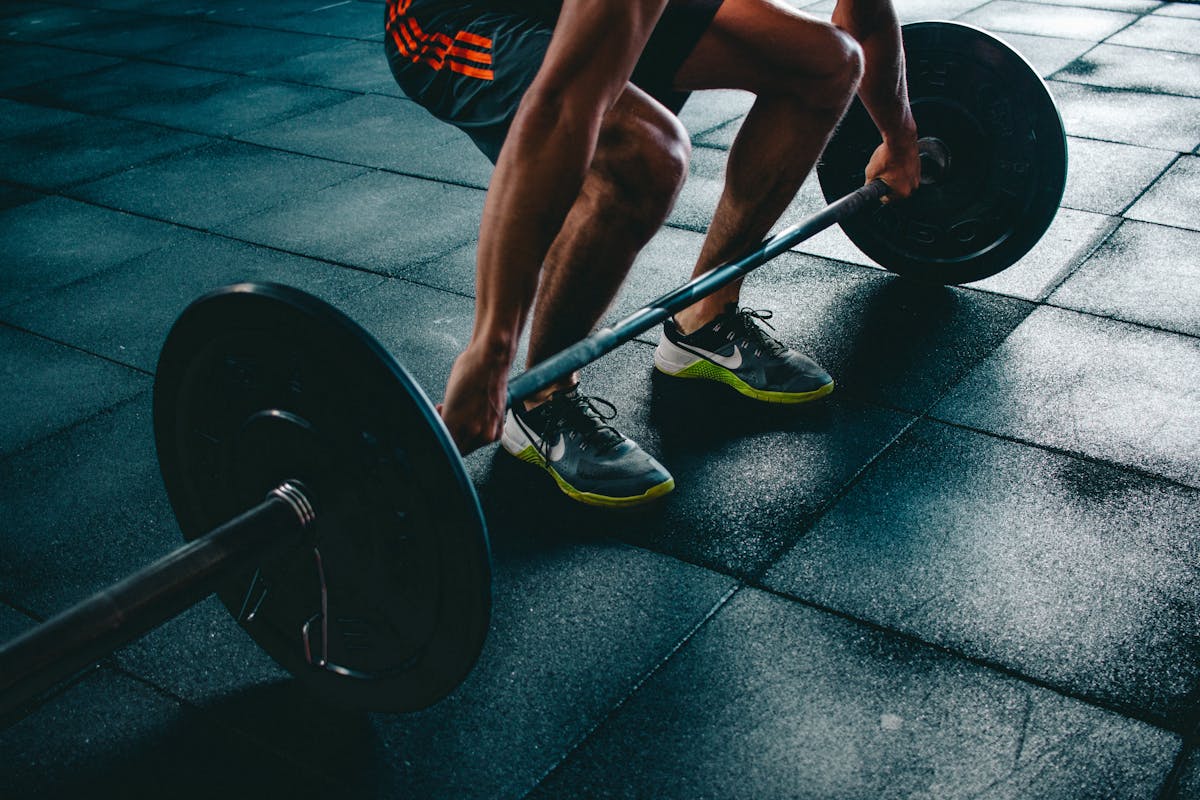
Productive strength training is not measured only by how much weight is on the bar. The best repetitions are organized, repeatable and performed through a range you can control. Quality creates the foundation that allows intensity to become useful.
Stabilize the torso, establish your grip and organize your position before beginning the repetition. A strong setup reduces unnecessary movement and improves force transfer.
Lowering phases should not be ignored. Controlled eccentric work gives you more time under tension and reinforces position throughout the full repetition.
Additional repetitions lose value when posture, range or control deteriorates. End the set when the quality no longer matches the training goal.
Dumbbells, barbells, kettlebells and resistance bands each create different loading options. Choose the tool that best supports the movement rather than forcing every exercise into the same format.
Progressive overload does not mean adding weight every workout. Progress can come from better technique, additional repetitions, greater range, improved stability, shorter rest periods or a more demanding variation.
When your current working weight can be controlled comfortably across the target repetition range, a small increase in load can provide the next training stimulus.
Adding a repetition or an additional set can increase total training volume without requiring a dramatic jump in resistance. This is often one of the safest ways to progress.
A deeper squat, cleaner hinge, smoother pull-up or more stable press can represent meaningful progress even when the external load remains exactly the same.
Strength gives you force. Conditioning gives you the capacity to repeat effort. A complete performance system develops both without allowing one to destroy the quality of the other.
Walking, incline treadmill work and comfortable running can improve aerobic capacity while generating relatively low fatigue. These sessions are useful between harder training days.
Alternate planned periods of work and recovery instead of performing random high-intensity effort. The objective is to make multiple strong intervals repeatable.
Short rope intervals can develop rhythm, coordination and cardiovascular output in a compact format. Start with simple timing before introducing faster patterns.
Throws, slams and rotational patterns allow strength to be expressed faster. Keep repetitions explosive and stop the set when speed noticeably falls.
Training sandbags and kettlebells can combine strength with cardiovascular demand through carries, cleans, squats and controlled circuits.

Flexibility is only part of the equation. Performance requires the ability to reach a position, stabilize it and produce force from it. Mobility training should therefore combine range of motion with control rather than relying only on passive stretching.
Before squatting, work through controlled hip and ankle positions. Before pressing, prepare the shoulders and upper back. Warm-ups become more useful when they match the session.
A yoga mat creates a consistent area for floor mobility, core training, warm-ups and recovery work without requiring additional equipment.
Balance boards, single-leg exercises and controlled reaches challenge the smaller adjustments that support efficient movement.
Five focused minutes performed regularly can be more useful than an occasional long session that is difficult to repeat.
Progress is more predictable when each stage builds on the one before it. Do not skip quality in the pursuit of complexity.
Use manageable resistance and enough rest to understand the movement, equipment setup and intended range.
Repeat the movement until position and tempo remain consistent across the entire set.
Increase resistance only when the existing load no longer challenges the intended repetition range.
Use heavier loads, harder variations, reduced rest or more demanding conditioning when the foundation is reliable.
Return to the fundamentals whenever execution begins to decline. Advanced training still depends on basic movement quality.
Training creates the signal. Recovery gives your body the opportunity to adapt. Better recovery does not mean avoiding effort. It means managing the total stress around your training so productive work can be repeated.
Training quality, coordination and perceived effort can all be affected when sleep becomes inconsistent. Treat a repeatable sleep schedule as part of your training plan.
Walking, low-intensity treadmill work and light mobility can help maintain routine without adding another demanding training session.
Avoid stacking maximum-effort strength sessions, hard intervals and high-volume conditioning without enough lower-intensity work between them.
When energy is lower than expected, reduce load, shorten the session or choose easier conditioning instead of abandoning the training habit completely.
The equipment experience should feel as considered as the training itself. Vigoryn combines performance-focused products with straightforward service standards for U.S. customers.
These common questions cover progression, conditioning, strength work and recovery. Every answer remains closed until you choose to open it.
Strong performance comes from the combination of disciplined strength work, intelligent conditioning, useful mobility and enough recovery to keep progressing. Build the system, repeat the fundamentals and let consistency do the heavy work.