

Prioritize Quality
Choose a resistance level that allows controlled repetitions and consistent technique. Quality movement creates a better base for progression than simply adding more work.
Training Inspiration
Turn your equipment into purposeful training sessions with practical workout ideas built around strength, conditioning, athletic movement, mobility, and consistency. Use these formats as starting points, then adjust resistance, repetitions, pace, range of motion, and total volume to match your experience and training goals.
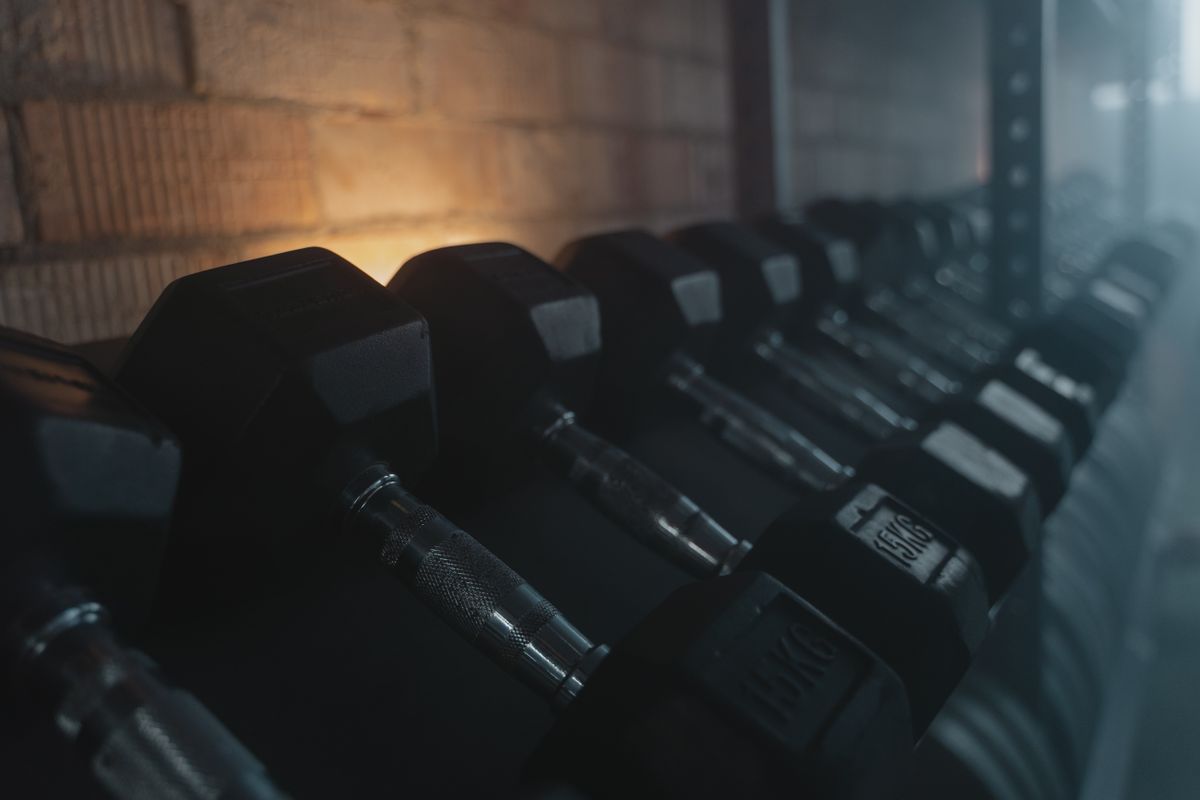
A workout becomes more useful when the purpose of the session is clear before the first set begins. Decide whether the priority is strength, conditioning, movement quality, athletic power, or recovery. From there, choose a small number of movements that support that goal and leave enough energy to perform them with control.
Choose a resistance level that allows controlled repetitions and consistent technique. Quality movement creates a better base for progression than simply adding more work.
Add load, repetitions, sets, range of motion, time, or movement complexity in manageable steps rather than changing everything at once.
Build sessions around a mix of pressing, pulling, squatting, hinging, carrying, conditioning, core work, and mobility when those patterns fit your goals.
Allow demanding sessions to be balanced by lower-intensity movement, mobility, sleep, hydration, and adequate recovery before repeating high-output work.
Workout Library
These workout formats are designed to make common equipment categories easier to use with intention. They are not fixed prescriptions. Adjust exercises, resistance, rest periods, repetitions, and total session length according to your experience and capabilities.
Build a balanced session around a squat variation, horizontal press, row, hip hinge, and loaded carry. Keep the exercise list compact so you can focus on repeatable technique and controlled progression.
Combine swings, goblet squats, presses, carries, and controlled transitions into short rounds. Keep every transition clean and avoid sacrificing movement quality for speed.
Center the session around a major compound movement, then add one secondary strength movement and a small amount of accessory work. This format keeps volume focused and progression easy to track.
Use bands for rows, presses, lateral work, resisted squats, hinge patterns, and mobility drills. Move through the circuit with enough rest to maintain tension and control.
Rotate through shouldering, carries, squats, cleans, and controlled ground-to-shoulder variations to create a demanding full-body session with an unstable load.
Use a bench to support presses, rows, split squats, rear-foot elevated work, and selected core movements for a structured strength session.
Build a session around hangs, scapular pulls, assisted repetitions, controlled pull-ups, chin-ups, and core work based on your current level.
Alternate controlled work intervals with lower-intensity recovery periods. Adjust walking or running pace so you can maintain consistent mechanics throughout the session.
Use short jump-rope intervals between controlled recovery periods. Focus on rhythm, relaxed shoulders, efficient footwork, and consistent pacing rather than rushing the movement.
Combine controlled rotational drills, selected throws, squat-to-press patterns, core work, and short conditioning blocks. Power training works best when repetitions remain crisp rather than becoming slow from fatigue.
Use a yoga mat for breathing, controlled mobility, hip and shoulder movement, core activation, and low-intensity floor work on lighter training days.
Use a balance board for short controlled drills that emphasize posture, foot pressure, ankle control, balance, and coordination. Keep the environment clear and stable around you.
Alternate a short strength block with moderate conditioning. For example, complete controlled dumbbell work first, then use a treadmill or jump rope for a separate conditioning finish.
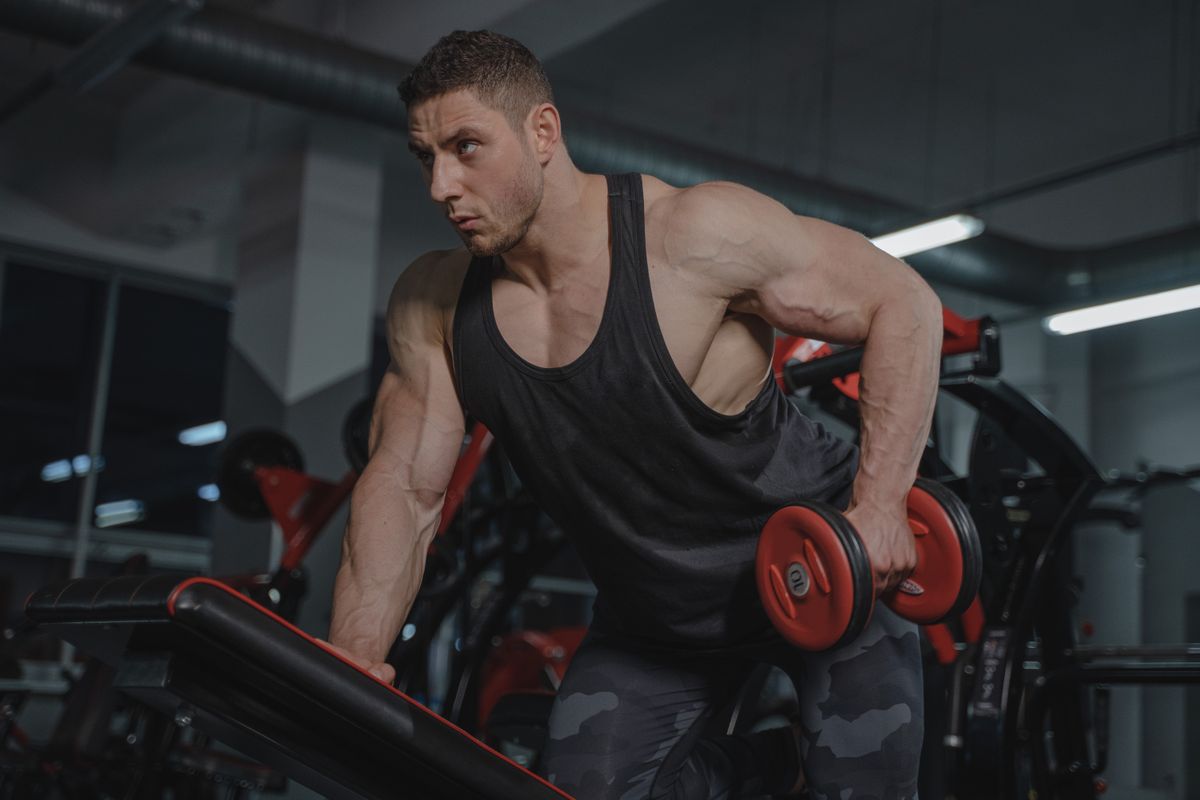
Sample Weekly Structure
A useful weekly plan balances challenging sessions with enough recovery to perform well again. The example below is intentionally simple. Change the number of sessions, training days, and equipment choices to fit your schedule, experience, and recovery needs.
Dumbbells, kettlebells, or barbells with a small group of compound movements.
Walking, easy treadmill work, yoga mat mobility, or relaxed movement.
Presses, rows, pull-up variations, carries, and selected accessory work.
Keep activity easy and leave room for sleep, mobility, and general recovery.
Squat and hinge patterns plus kettlebell, dumbbell, or sandbag carries.
Treadmill intervals, jump rope, medicine ball work, or a moderate mixed circuit.
Low-intensity movement, stretching, mobility, or complete rest based on how you feel.
Progress gradually when technique, effort, and recovery remain consistent.
Choose one lower-body movement, one press, and one pull. Perform a manageable number of quality sets and stop before technique begins to deteriorate.
Alternate loaded carries with controlled floor-based core exercises. Keep posture strong and select a load that allows consistent walking mechanics.
Rotate through a band row, press, squat pattern, lateral movement, and mobility drill at a sustainable pace.
Begin easy, gradually raise pace or incline, hold a moderate working segment, then finish with a controlled reduction in intensity.
Pair a short jump-rope interval with one controlled resistance movement. Rest as needed so both the conditioning and strength portions remain technically consistent.
Spend a short block on controlled hip, shoulder, ankle, and trunk movement before beginning your main strength work.
Session Builder
You do not need a complicated program to create a useful training session. Start with the primary goal, choose one or two important movement patterns, add complementary work, and finish before fatigue turns good repetitions into poor ones.
Decide whether the session is primarily for strength, conditioning, mobility, power, technique, or recovery.
Pick one to three movements that directly support the session goal instead of trying to use every piece of equipment.
Add accessory strength, carries, core work, conditioning, or mobility only when it complements the main training purpose.
End the session while movement quality is still high. More volume is not automatically more productive.
Recovery and Progress
Training stress only becomes useful when you can recover from it. Keep progression sustainable by paying attention to effort, movement quality, soreness, sleep, motivation, and how well your performance carries from one session to the next.
Most training does not need to feel like a test. Leave enough room to repeat quality work consistently.
Walking, mobility, easy cardio, and controlled floor work can help create rhythm between demanding sessions.
Record useful variables such as load, repetitions, sets, interval duration, or pace so progress is easier to evaluate.
Reduce load, volume, duration, or intensity when fatigue starts to interfere with technique or recovery.
Vigoryn Service
Build your training setup with straightforward U.S. store policies, including 24/7 customer support, free shipping on every product, 3–5 business day delivery, free returns and exchanges within 30 days, and the current Save 15% offer where eligible.
Customer support is available around the clock for product, order, and store-related questions.
Every product ships free under the current Vigoryn U.S. store shipping policy.
Orders are delivered in approximately 3–5 business days under the store's standard delivery timeframe.
Free returns and exchanges are available within 30 days, subject to applicable return eligibility.
Take advantage of the current 15% savings offer where the promotion is displayed as eligible.
Begin with your primary goal for the day. If you want to build strength, choose a strength-focused format. If your priority is aerobic work or work capacity, use a conditioning session. If you feel fatigued, a mobility or lower-intensity session may be more appropriate.
No. The page is designed to provide options across the Vigoryn equipment range. A useful home setup can begin with only a few versatile tools selected around the movements and training styles you use most often.
Session length depends on your goal, training experience, number of exercises, rest periods, and available time. A short focused workout can still be useful when movements are selected deliberately and performed with good control.
Training frequency depends on your program, experience, intensity, recovery, exercise selection, and total weekly volume. Leave enough recovery between demanding sessions so performance and movement quality remain consistent.
Yes. One simple format is to complete your primary strength work first, then finish with a controlled conditioning block. The appropriate order may vary depending on which quality is most important for your training goal.
Depending on the exercise, you may be able to adjust repetitions, sets, tempo, range of motion, rest periods, unilateral variations, movement control, or total training volume. Progress should remain gradual and appropriate for your experience.
Recovery days can include complete rest or low-intensity activities such as walking, easy treadmill work, relaxed mobility, stretching, breathing work, or light movement on a yoga mat.
The concepts can be adapted, but beginners should use conservative resistance, simple movements, manageable volume, and appropriate guidance when needed. Learning safe technique and building consistency should take priority over intensity.
Yes. Vigoryn currently provides free shipping on all products.
The current standard delivery timeframe is approximately 3–5 business days.
Vigoryn offers free returns and exchanges within 30 days, subject to the applicable store return terms and product eligibility.
Yes. Vigoryn provides 24/7 customer support for store, product, and order-related assistance.
Keep Moving Forward
Start with one clear goal, choose equipment that supports it, and repeat the important movements long enough to improve them. Strong training does not need to be complicated. It needs to be intentional, repeatable, and sustainable.
Free shipping on all products with an estimated delivery timeframe of 3–5 business days.